

Achieving sustainable development goals by including the Warsaw University of Life Sciences in the Ministry of Foreign Affairs’ Development Aid program
The Warsaw University of Life Sciences is strengthening global efforts to combat hunger and improve access to quality education through a Polish Aid project supporting modern milk processing training in Tanzania. As part of this initiative, SGGW experts have delivered specialized workshops, introduced new dairy products, and contributed to long-term improvements in local food safety and production practices.
The fight against hunger (SDG 2: Zero Hunger) and improving access to high-quality education (SDG 4: Quality Education) are two key goals of the UN 2030 Agenda, to which the Warsaw University of Life Sciences actively contributes through activities carried out in cooperation with the Foundation Science for Development as part of the project “Improving the quality of youth education in the field of milk processing in Tanzania by improving teaching conditions – establishing a Center of Excellence – module 2” financed by the Ministry of Foreign Affairs under the Polish Aid program.
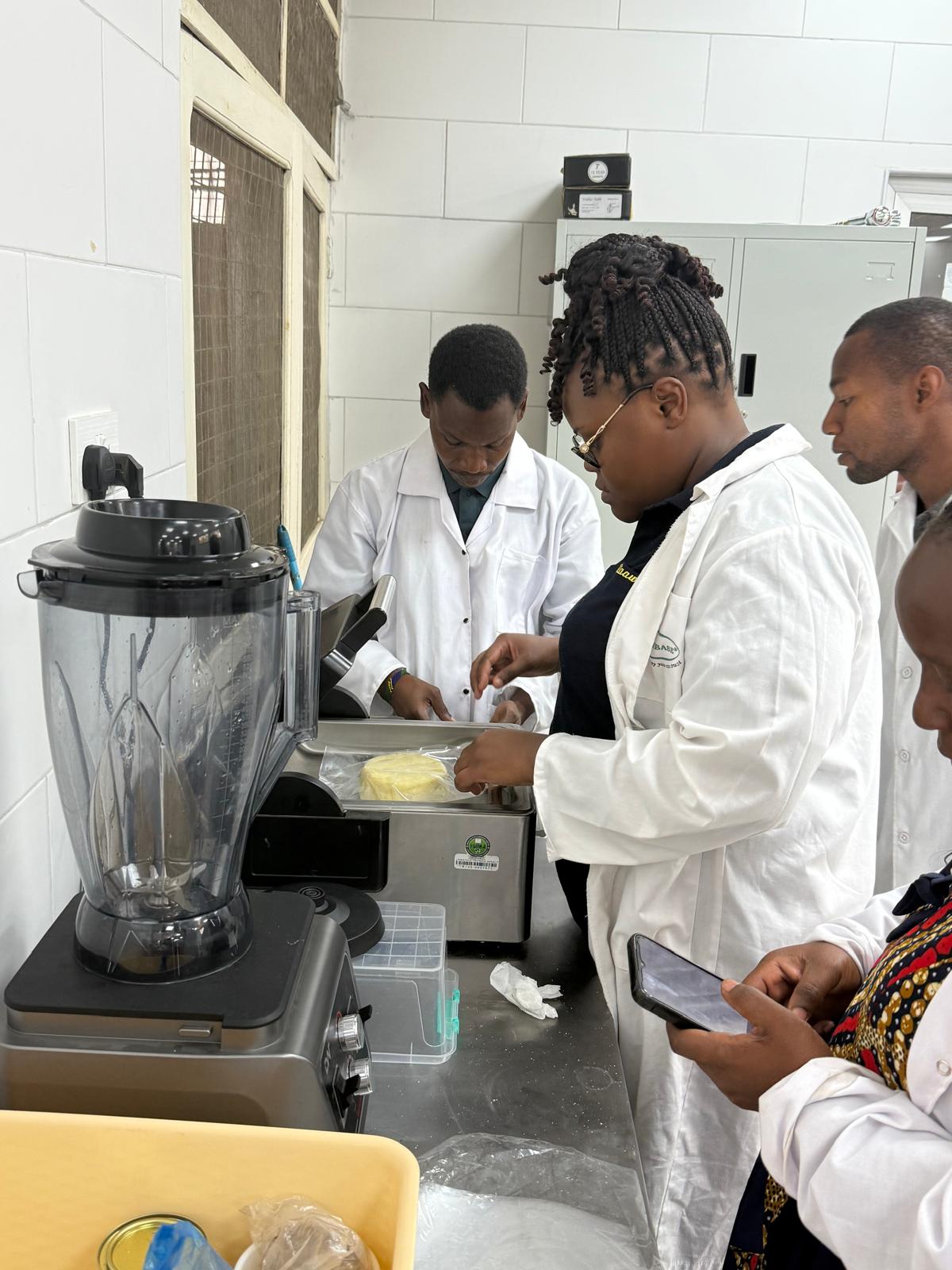
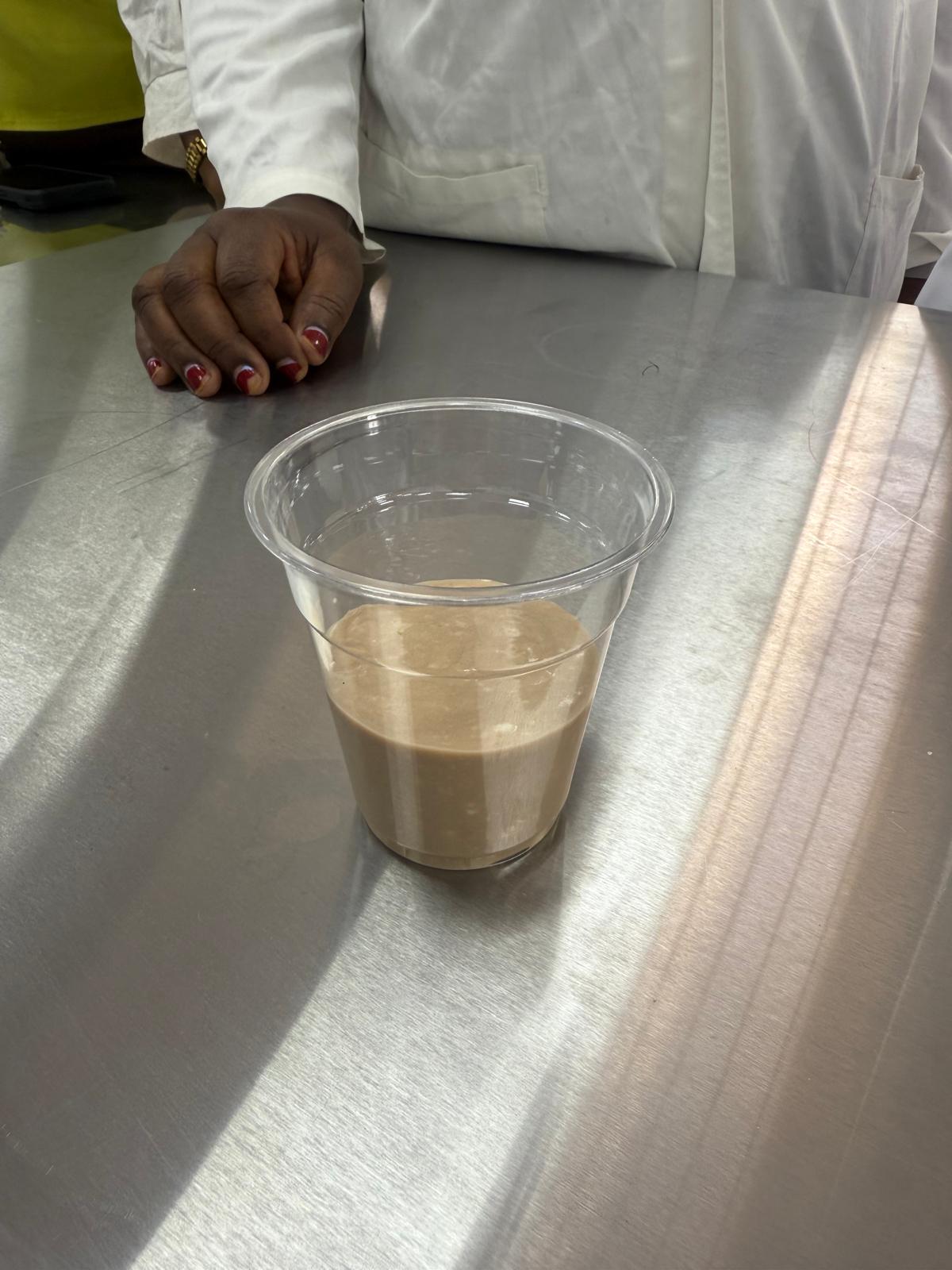
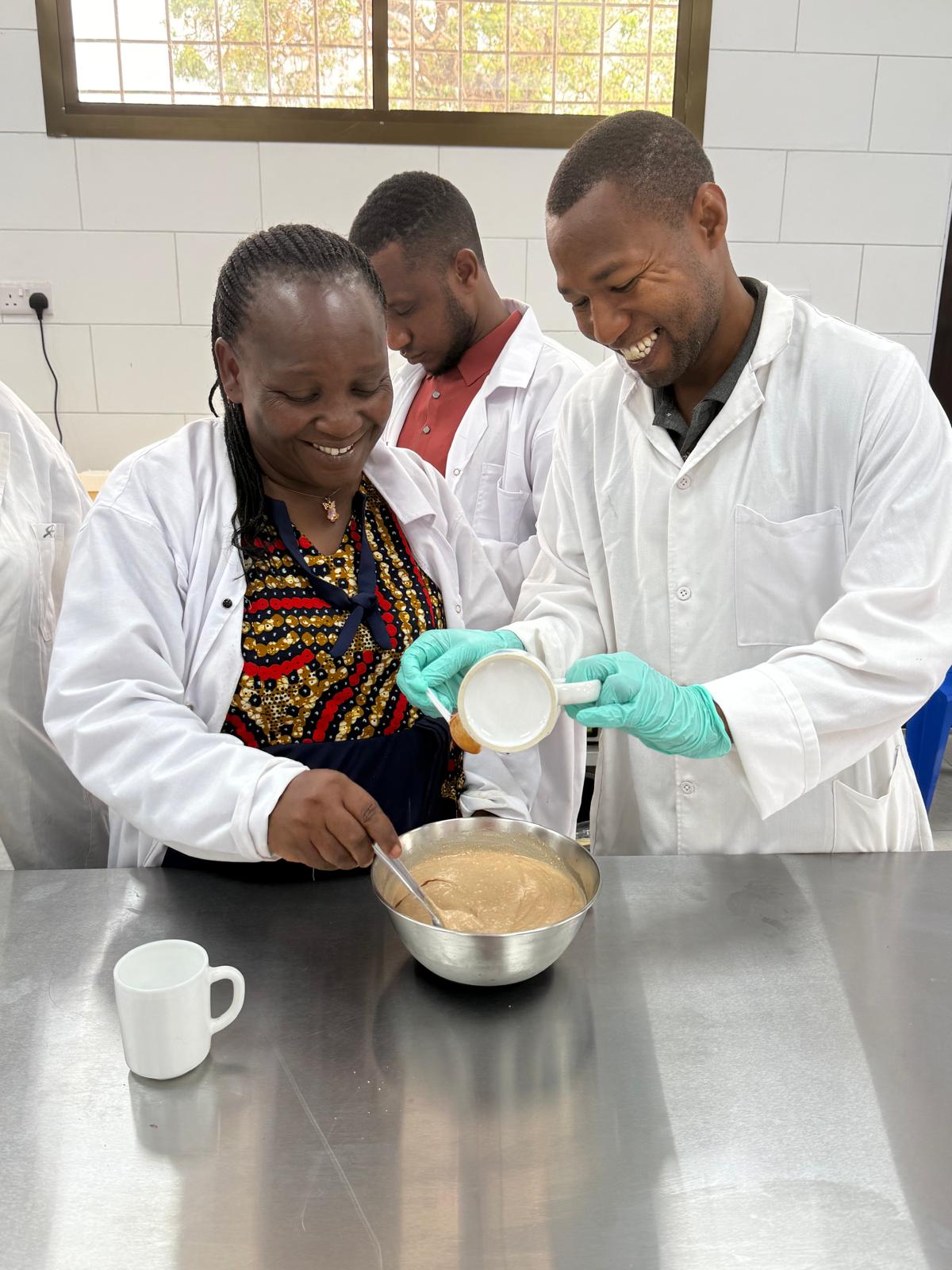
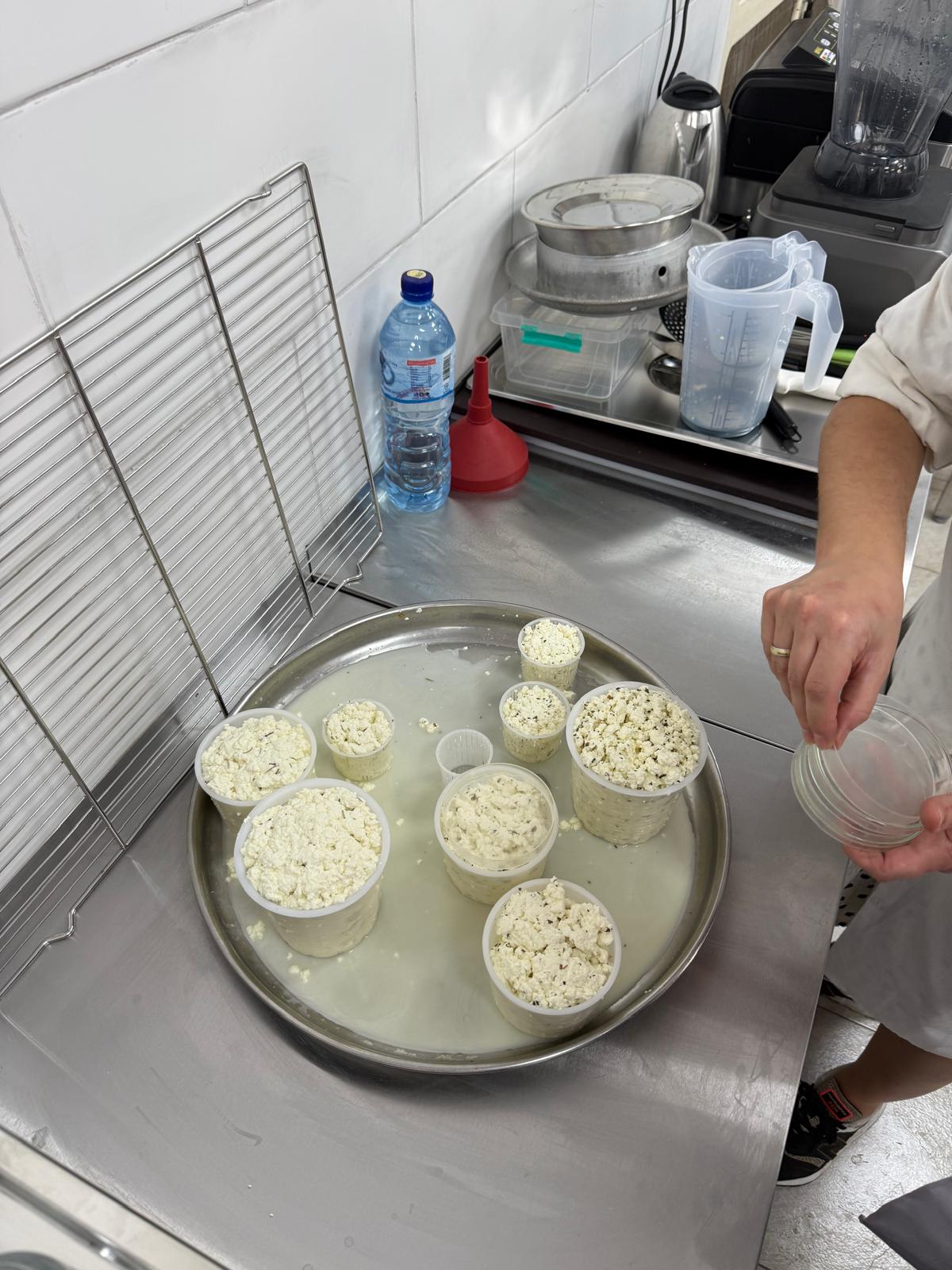
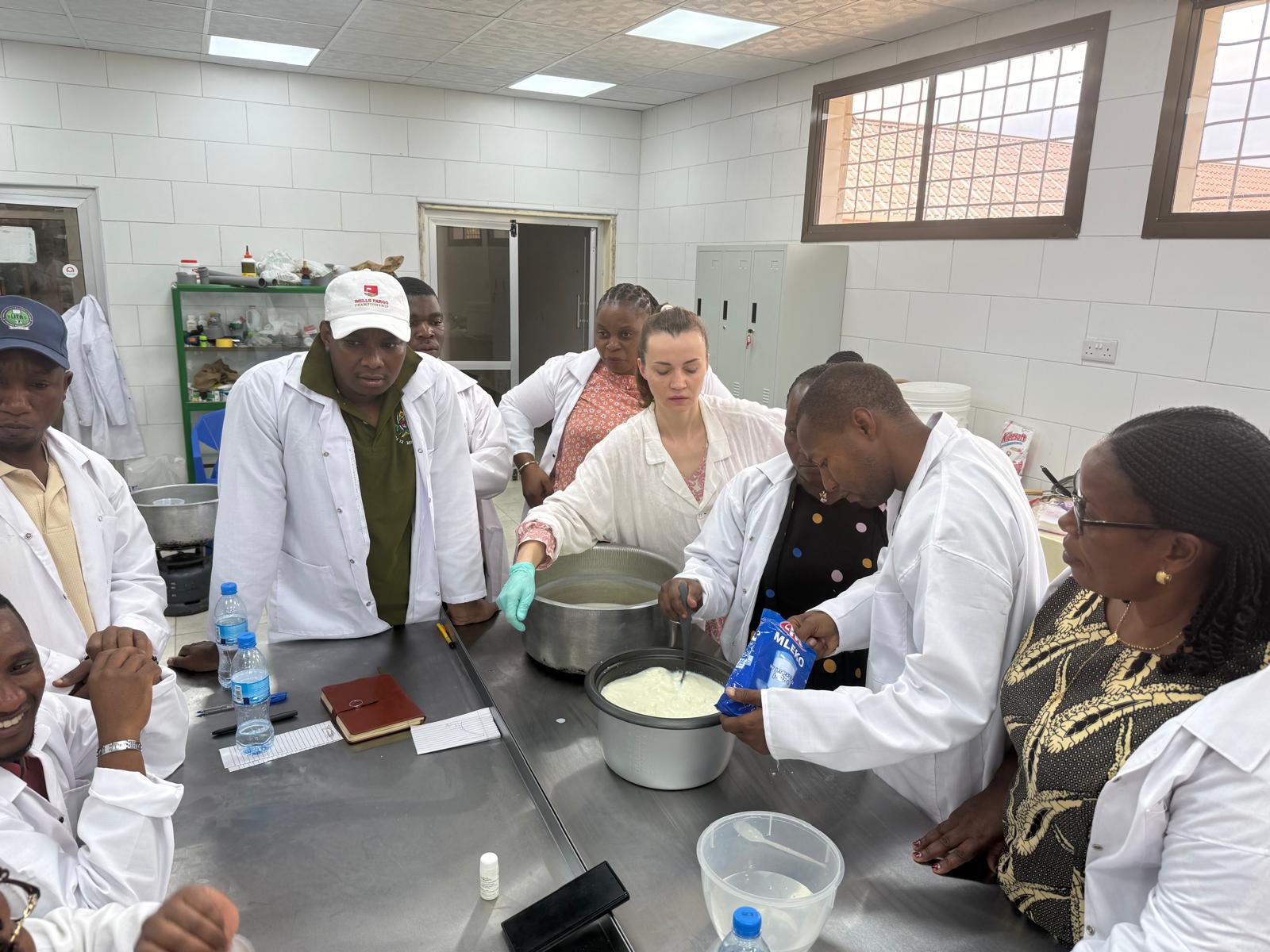
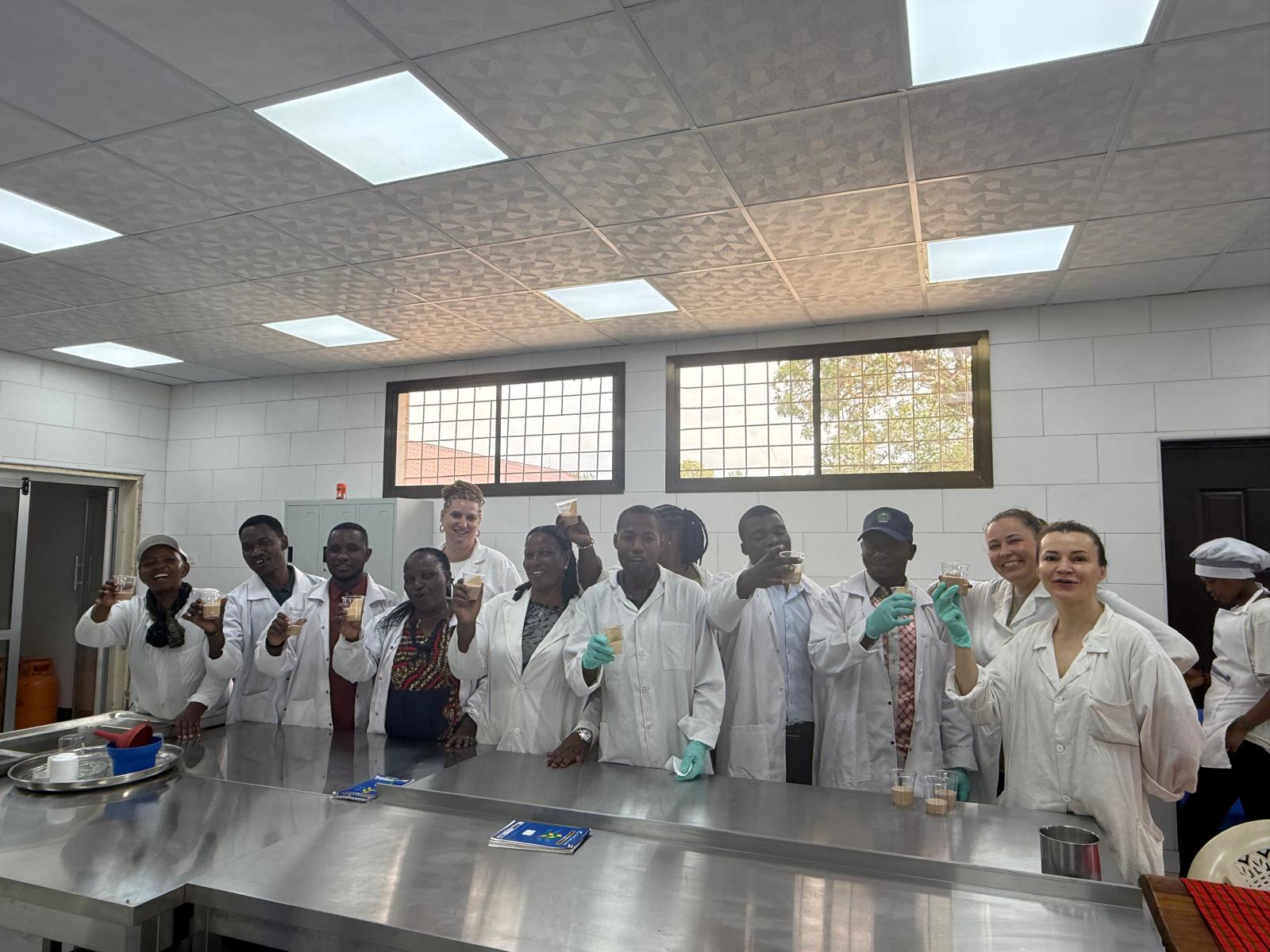
A team of experts from the Institute of Veterinary Medicine and the Institute of Food Sciences: Dr. Joanna Zarzyńska; Dr. Monika Garbowska, Prof. SGGW; Dr. Lidia Stasiak-Różańska, Prof. SGGW, conducted specialized training courses and workshops aimed at improving the safety and hygiene of milk and dairy product production. The training program also included the development of practical skills for teachers and technical staff of the Livestock Training Agency (LITA) in Tengeru (Tanzania) in the field of modern milk processing methods. The tangible result of the project is the introduction of two new dairy products: acid-rennet cheese with herbs and coffee-flavored yogurt, as well as the development of a method for utilizing whey as a co-product.
The project, coordinated at the Warsaw University of Life Sciences by the prof. Marta Mendel, Vice-Rector for Internationalization is in line not only with the strategic objectives of Agenda 2030, but also with the farm-to-table policy. It includes comprehensive measures aimed at increasing milk production by improving cattle husbandry and feeding conditions, developing the feed base, modernizing infrastructure, and retrofitting milk processing units. At the same time, the project raises awareness among processors of consumer needs and the importance of safety throughout the entire food production chain.