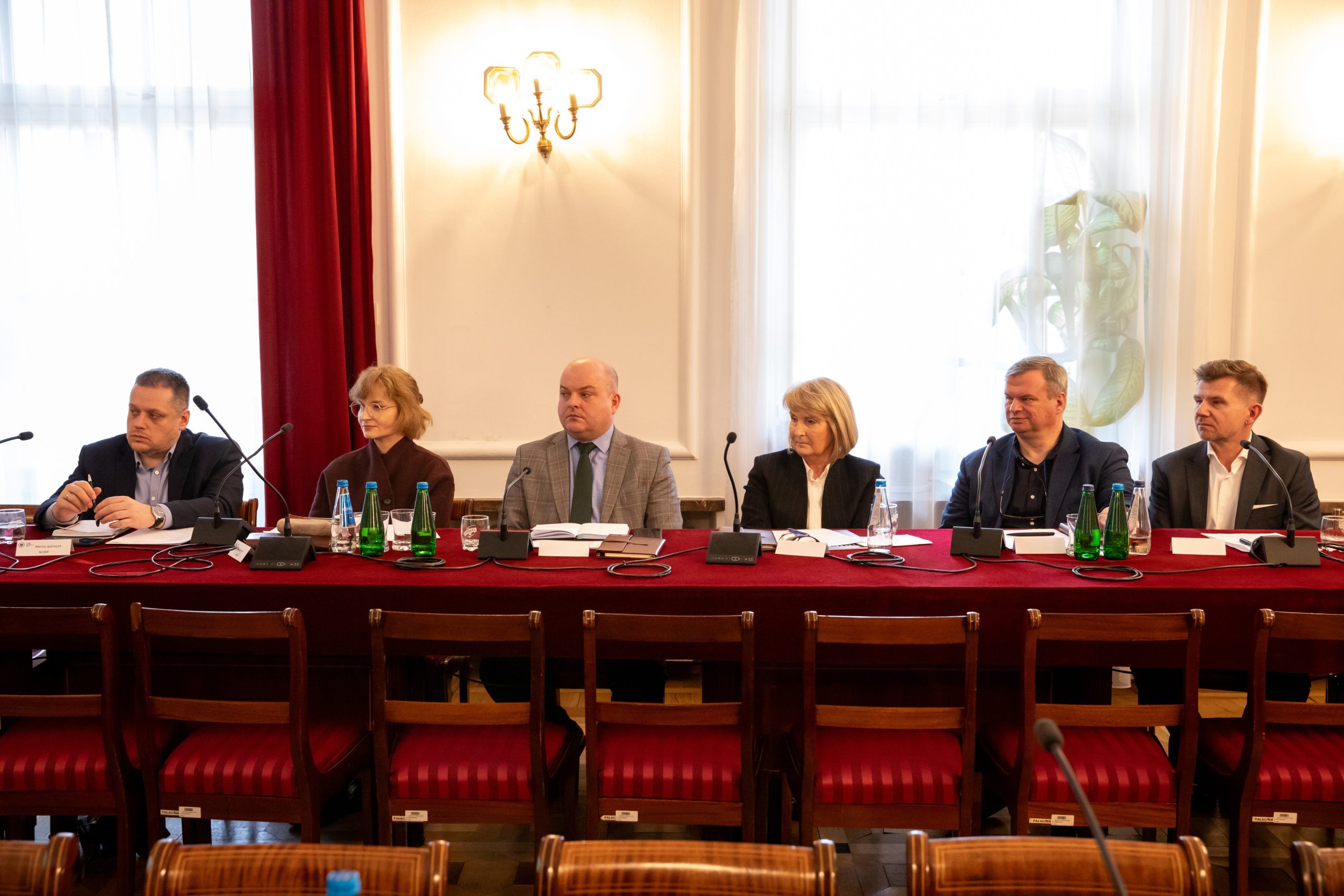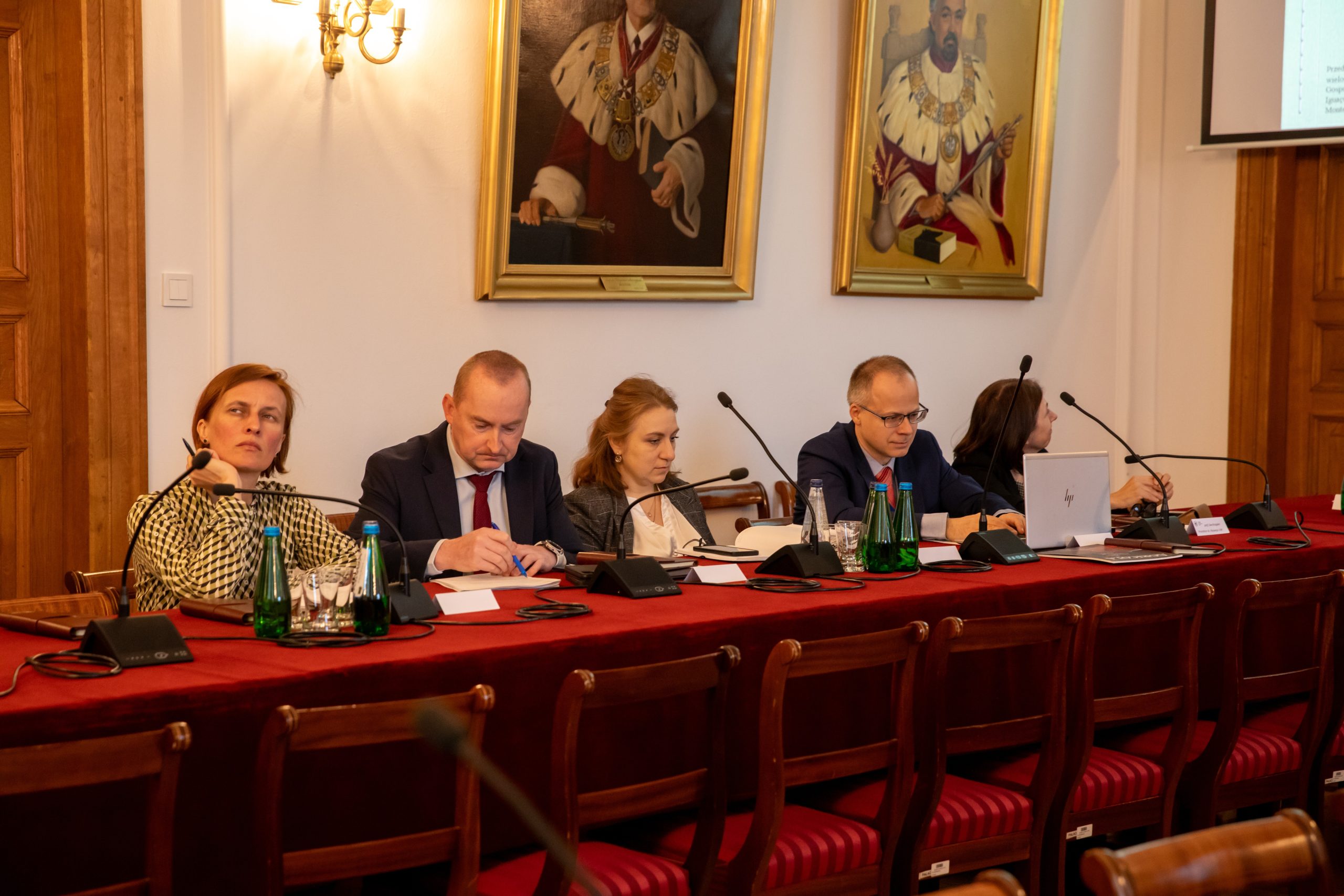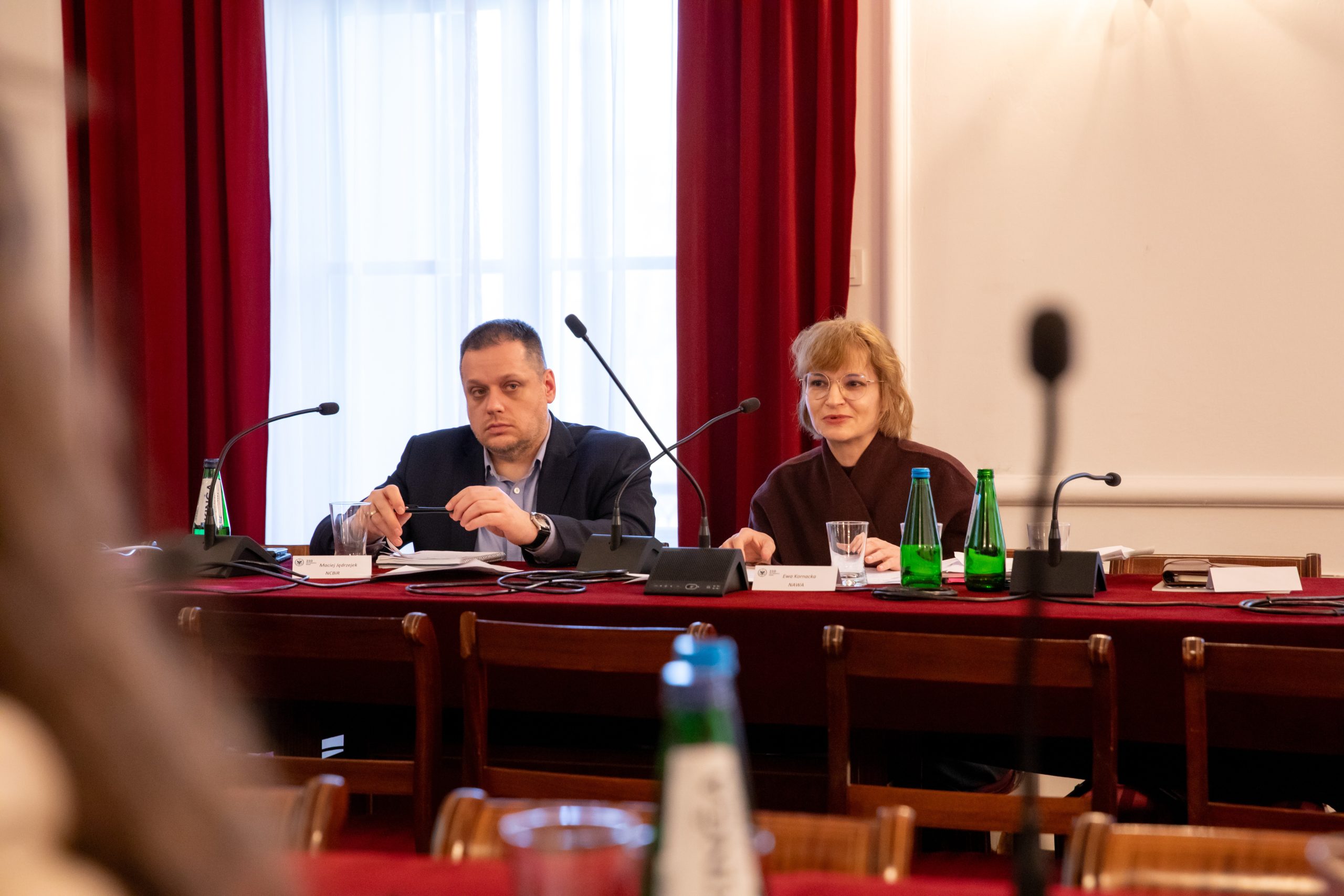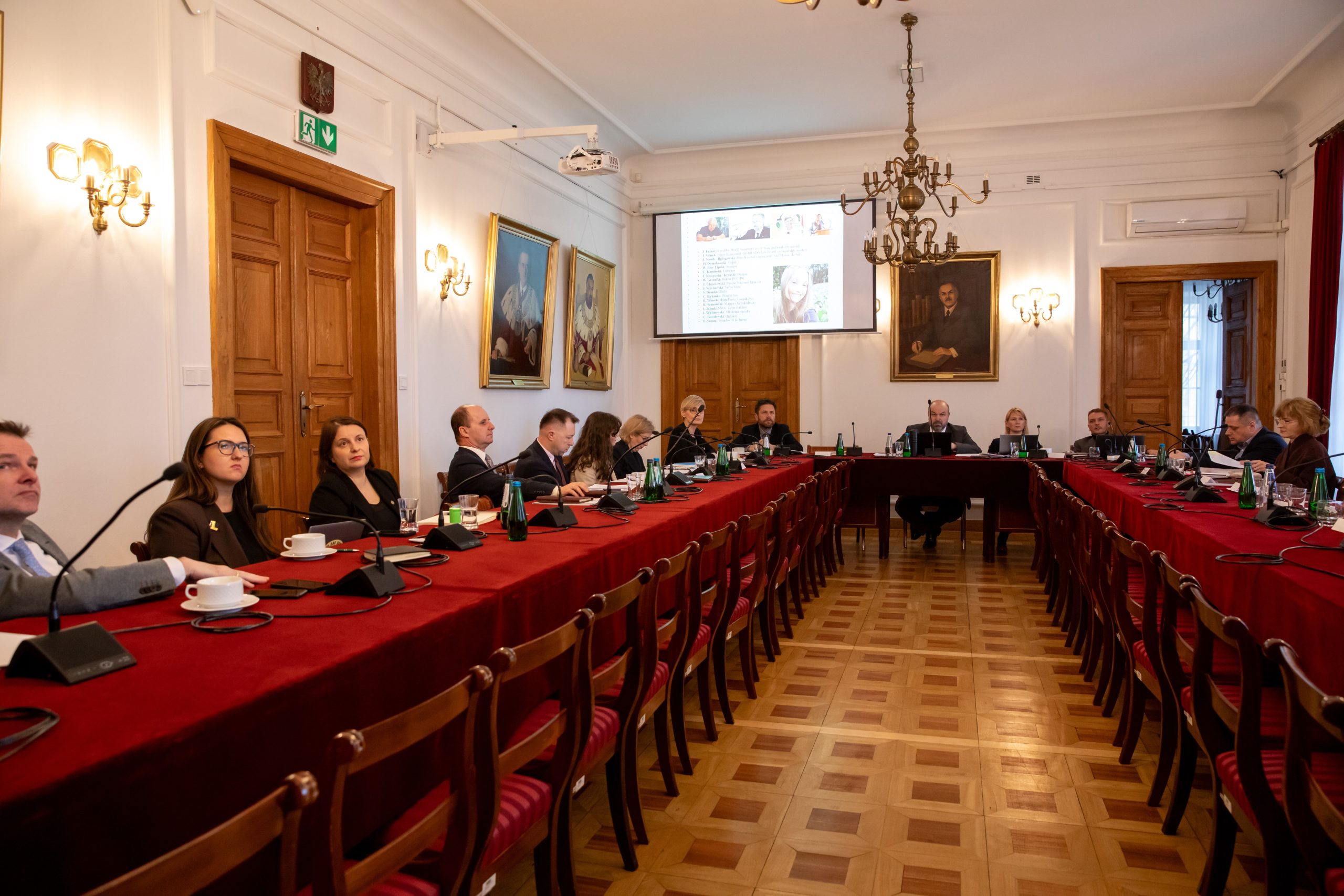


Scientific and technological cooperation with South American institutions was the topic of a meeting at the Warsaw University of Life Sciences
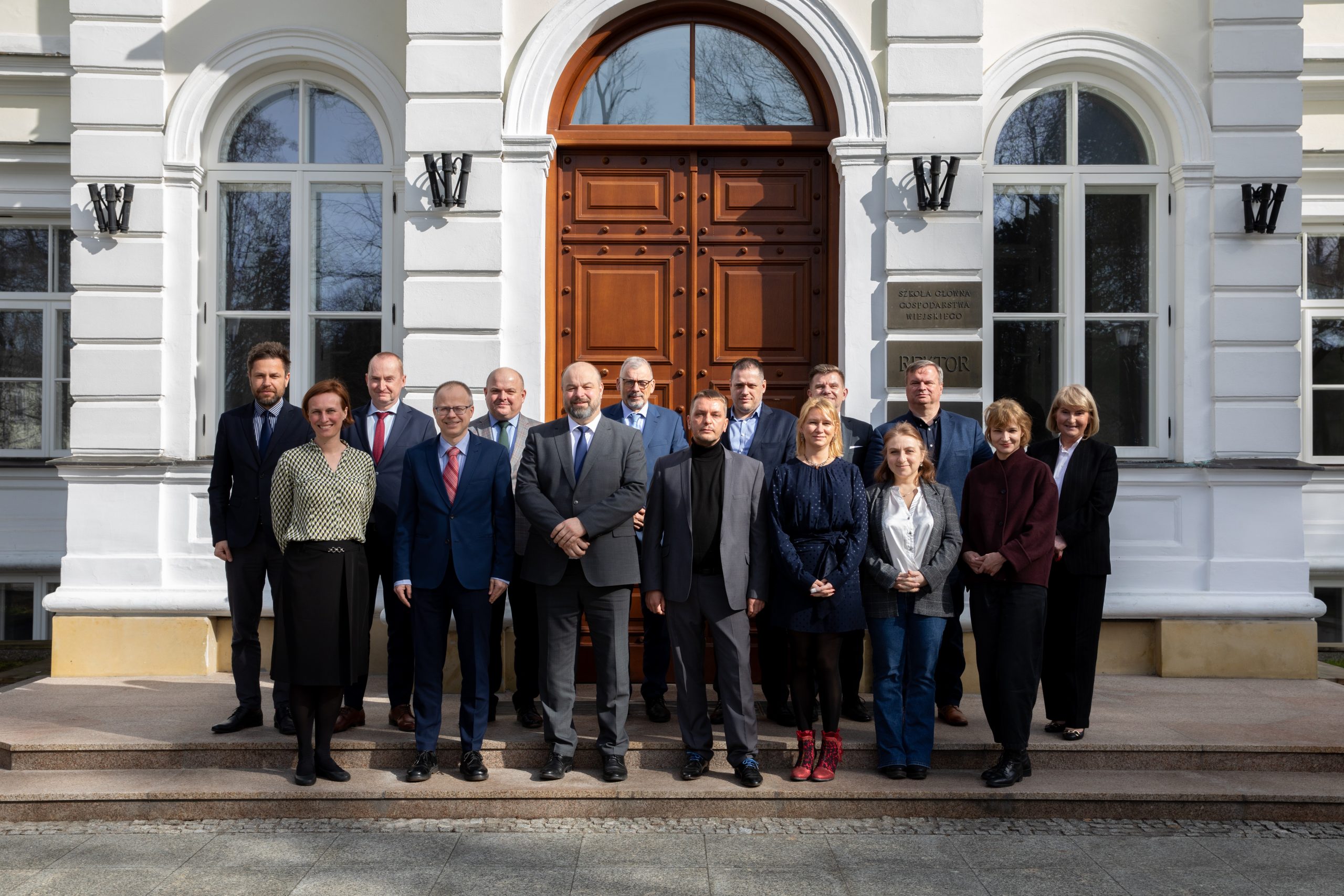
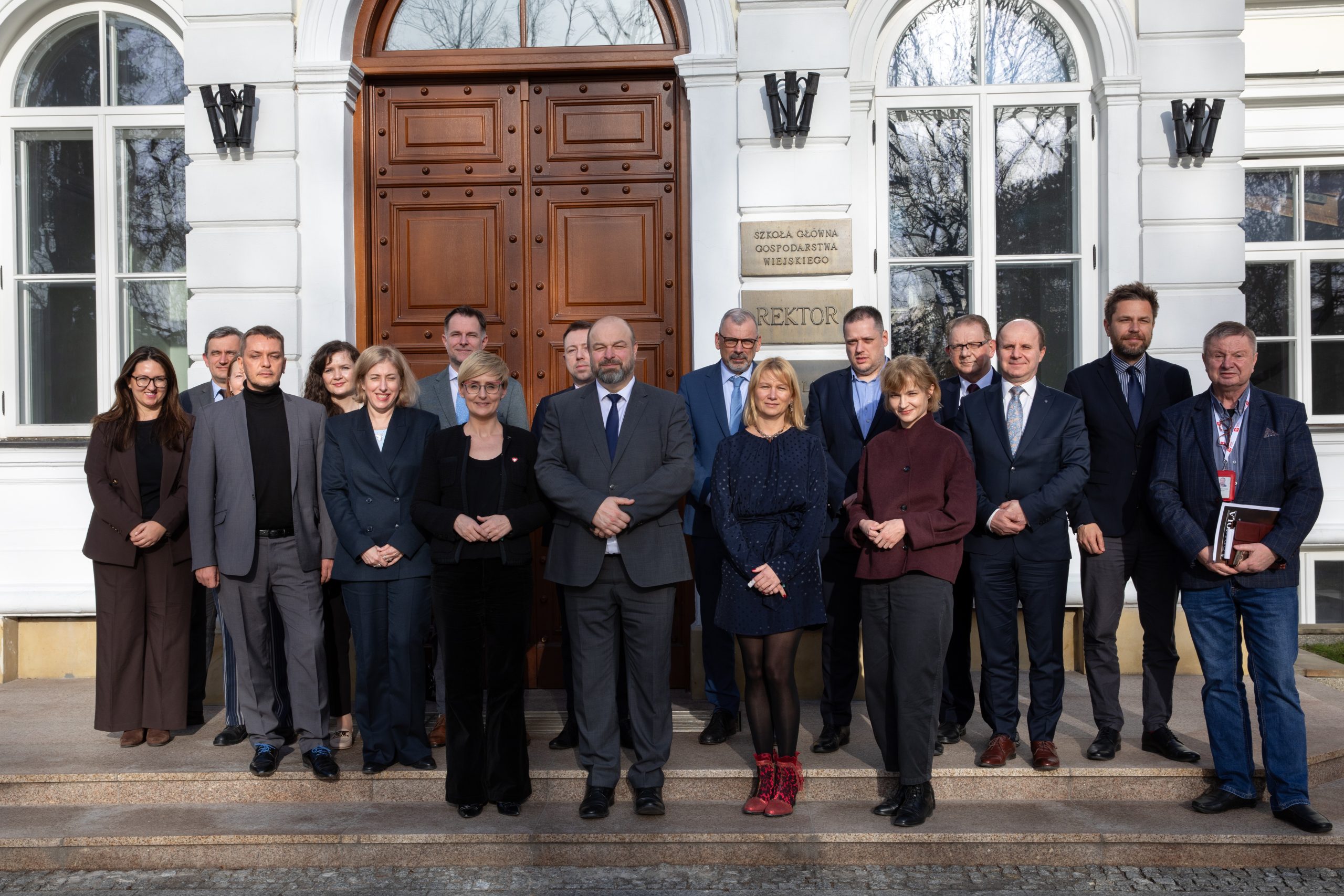
On 5 March 2026, at the initiative of the Warsaw University of Life Sciences (SGGW), a meeting was held to discuss the possibilities for developing scientific, economic, and educational cooperation between Poland and South American countries, in particular Brazil, Argentina, and Paraguay.
On 5 March 2026, at the initiative of the Warsaw University of Life Sciences (SGGW), a meeting was held to discuss the possibilities for developing scientific, economic, and educational cooperation between Poland and South American countries, in particular Brazil, Argentina, and Paraguay. The representatives of prof. Ewa Krogulec, Vice-Rector for Development, University of Warsaw; Wojciech Dziedzic, Deputy Director, Department of International Cooperation, Ministry of Science and Higher Education; Maciej Jędrzejek, Deputy Director, International Cooperation Division, National Centre for Research and Development; Ewa Kornacka, Head of the Polish Diaspora Scholarship Programme Team, Polish National Agency for Academic Exchange; Mariusz Matyka, Director, Institute of Soil Science and Plant Cultivation – National Research Institute; Marek Roszko, Director, Prof. Wacław Dąbrowski Institute of Agricultural and Food Biotechnology – National Research Institute; prof. Bożena Matysiak, Deputy Director for Scientific Affairs, National Institute of Horticultural Research – National Research Institute; Magdalena Kulczycka, Plenipotentiary for International Cooperation, Prof. Wacław Dąbrowski Institute of Agricultural and Food Biotechnology – National Research Institute; Krzysztof Bujnowicz, Deputy Director for Innovation and Implementation, Institute of Natural Fibres and Medicinal Plants – National Research Institute; Witold Czeszak, Head of the Hemp Programme and Technology Transfer Division, Institute of Natural Fibres and Medicinal Plants – National Research Institute; Anna Awdiejewa, National COST Coordinator (European Cooperation in Science and Technology), Department of International Cooperation, Ministry of Science and Higher Education; MP Katarzyna Matusik-Lipiec, Chair of the Poland–Brazil Parliamentary Bilateral Commission; Blanka Gołębiowska, Director, Department of International Cooperation, Ministry of Agriculture and Rural Development; Marcin Tomaszewski, Director, Department of Knowledge Transfer and Social Affairs, Ministry of Agriculture and Rural Development; Maciej Ziętara, Deputy Director, Americas Department, Ministry of Foreign Affairs; Maciej Bernatowicz, Deputy Director, Americas Department, Ministry of Foreign Affairs; Marek Wigier, Director, Institute of Agricultural and Food Economics – National Research Institute; Violetta Ożdżeńska, Deputy Director, Export Support Department, Polish Investment and Trade Agency; Marta Syrek, Asia, Americas and Pacific Division, Department of International Cooperation, Ministry of Agriculture and Rural Development; Marzena Ryszkowska, Department for Cooperation with the Polish Diaspora and Poles Abroad, Ministry of Foreign Affairs; Jan Pajek, President of the Management Board, ORLEN Biometan; Leszek Kaczan, Director, ORLEN Biometan, participated in the meeting held at the SGGW rectorate.
The discussion focused on identifying areas with the greatest potential for cooperation, especially in the agri-food sector, bioeconomy, agricultural technologies, and sustainable agriculture. The importance of joint research and development projects, academic mobility, and technology transfer, which can be supported by financing instruments such as NAWA programs or NCBiR initiatives, was also emphasized.
Participants in the meeting highlighted the growing role of Polish communities in the Brazil-Argentina-Paraguay tri-border region as a natural bridge for developing scientific and economic relations. They also pointed to the need for better coordination of information and promotional activities and for building a coherent offer of Polish science and technology for partners from South America. In this context, universities and research institutes can play a key role as a platform for dialogue, knowledge transfer, and initiating long-term international cooperation.