

SGGW authorities at the Post-COP30 Event “Três Fronteiras” Bioeconomy, Health and Sustainable Transitions. Strengthening scientific cooperation and relations with the Polish community in South America
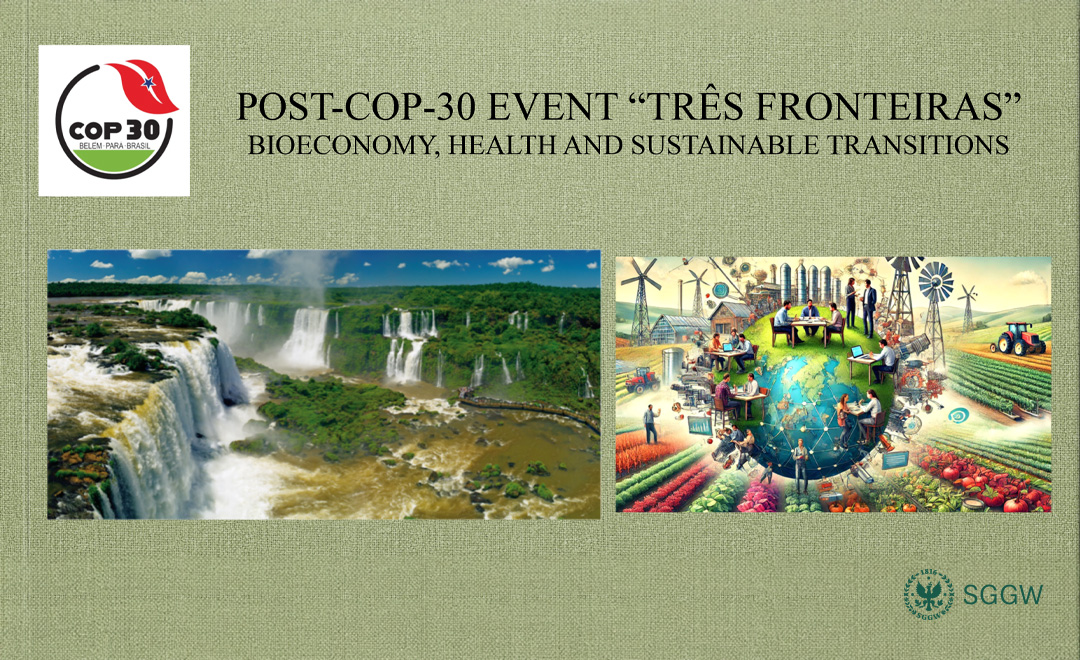
On December 8-12, 2025, the authorities of the Warsaw University of Life Sciences participated in the international Post-COP30 Event “Três Fronteiras” Bioeconomy, Health and Sustainable Transitions in Brazil and Argentina, strengthening scientific cooperation with universities in the Tri-Border region and emphasizing the strategic role of the Brazilian and South American Polish diaspora in the internationalization of research and education.
On December 8-12, 2025, a delegation of authorities from the Warsaw University of Life Sciences, consisting of Prof. Michał Zasada, Rector of SGGW, Prof. Tomasz Okruszko, Vice-Rector for Science at SGGW, and Dr. Marta Mendel, professor at the Warsaw University of Life Sciences, Vice-Rector for Internationalization, took part in the international Post-COP30 Event “Três Fronteiras” Bioeconomy, Health and Sustainable Transitions, organized in Brazil and Argentina.
The main organisers of the event were Prof. Jair Kotz (UNIOESTE – Western Paraná State University) and Dr Paweł Wiechetek (University of Warsaw). The meeting brought together representatives of universities, public administration, research institutions and social organisations from the tri-border region of Brazil, Argentina and Paraguay.
Post-COP30 Event “Três Fronteiras” – Bioeconomy, Health and Sustainable Transitions
The Post-COP30 Event “Três Fronteiras” Bioeconomy, Health and Sustainable Transitions served as a platform for in-depth academic and institutional debate, building on the global agreements of the COP30 climate conference. Its objective was to develop regional models of cooperation in the fields of bioeconomy, health, regenerative agriculture, the circular economy and sustainable territorial development, with particular emphasis on the potential of border regions and small-scale farms.
Curitiba – dialogue between academia, authorities and the Polish diaspora
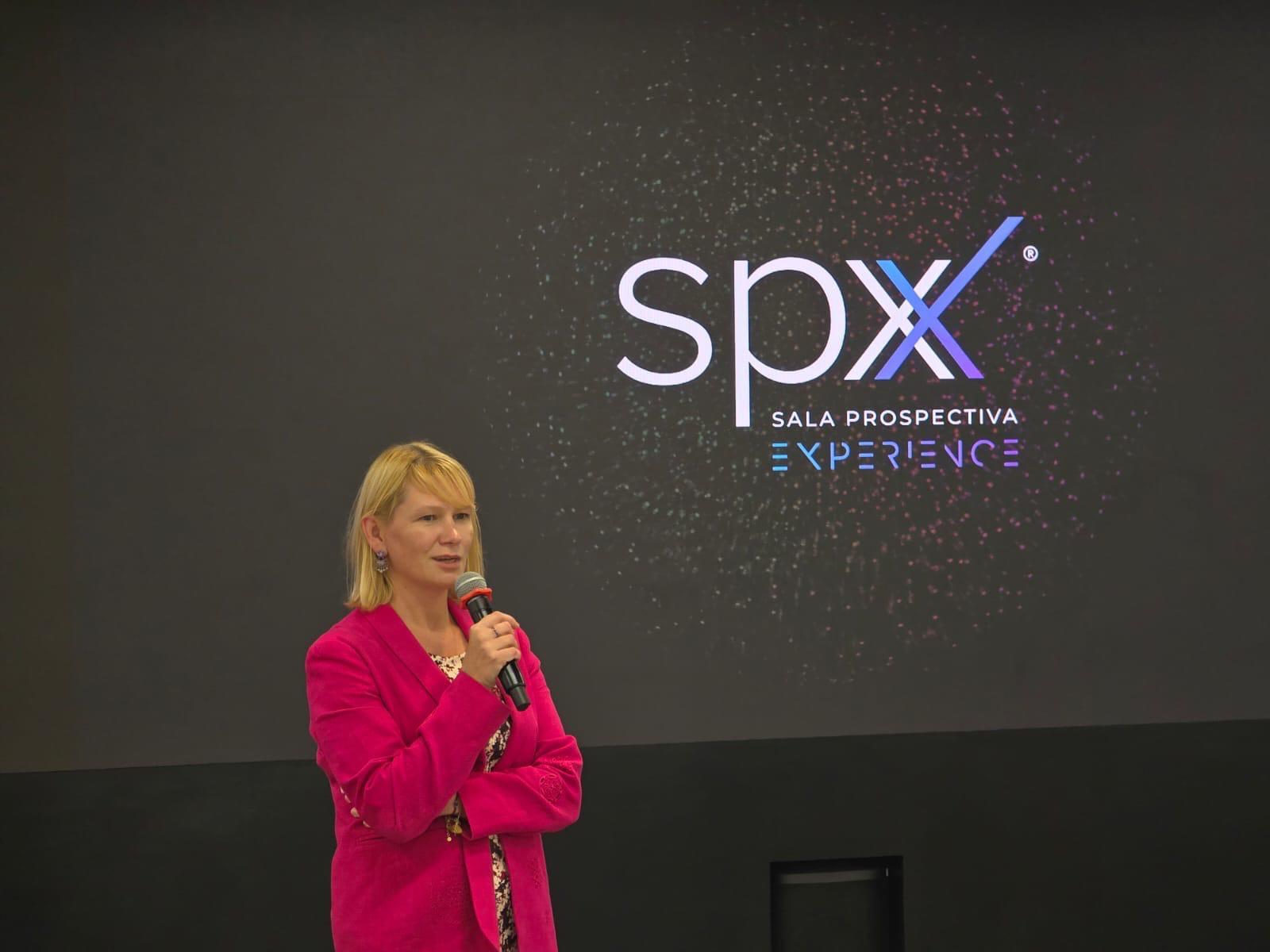
The first part of the visit took place in Curitiba. The SGGW delegation participated in a conference attended by rectors and vice-rectors of regional universities, including the Pontifical Catholic University of Paraná (PUCPR) and the Federal University of Technology – Paraná (UTFPR), representatives of the municipal authorities of Curitiba, including the Vice-Chair of the Municipal Council for Science, representatives of the state agency for financing research and innovation – Paraná Governo do Estado, Secretaria da Ciência, Tecnologia e Ensino Superior – as well as the Consul General of the Republic of Poland in Curitiba, Wojciech Baczyński.
The meeting was also attended by representatives of the Brazilian Polish community, including Jorge Miguel Samek, former Director General of Itaipu Binacional, and representatives of Polonidade no Brasil – Memória e Legado.
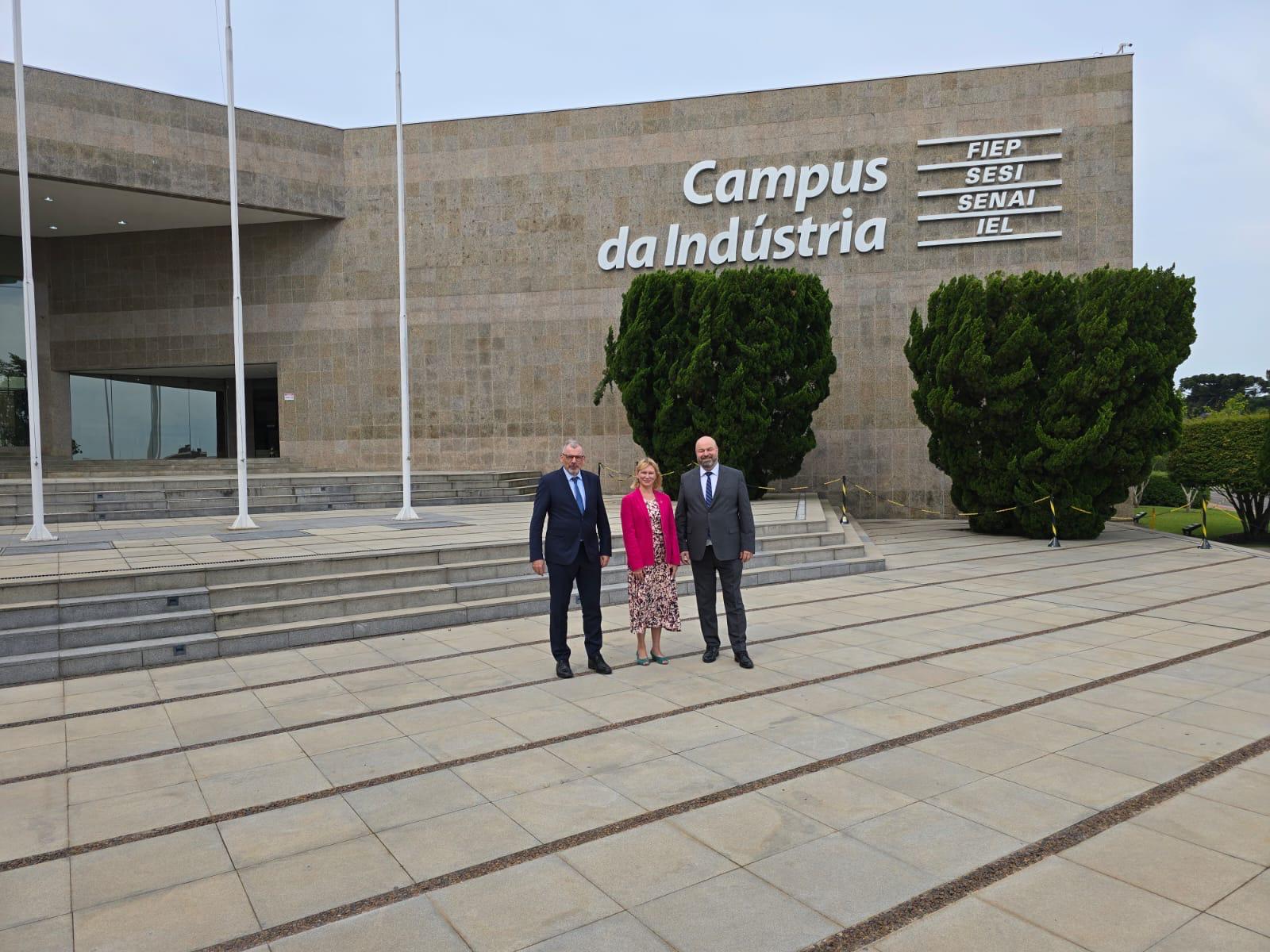
The delegation also visited Sistema FIEP, an integrated centre of research and educational institutions cooperating with the economy, including organisations such as the International Federation of Physical Education (FIEP), the Social Service of Industry (SESI), the National Service for Industrial Training (SENAI) and the Euvaldo Lodi Institute (IEL). Potential areas of scientific and industrial cooperation involving Polish diaspora communities were presented there. Kazimierz Długosz, a member of the Society of Christ who has been serving the Polish community in Paraná, Brazil, for over 30 years, also participated in the meeting.
Foz de Iguaçu – environment, energy and regional integration
The next stage of the visit was Foz de Iguaçu, where the SGGW authorities visited Iguaçu National Park, meeting with its management as well as representatives of the Federal University for Latin American Integration (UNILA), including the Vice-Rector for International Cooperation and the Vice-Rector for Research.
The delegation also visited Itaipu Binacional, including its technology park and renewable energy centres (the hydroelectric power plant, a biogas plant and a circular waste management centre), learning about examples of pro-social engagement by one of the key public enterprises in the region.
UNIOESTE – setting directions for cooperation
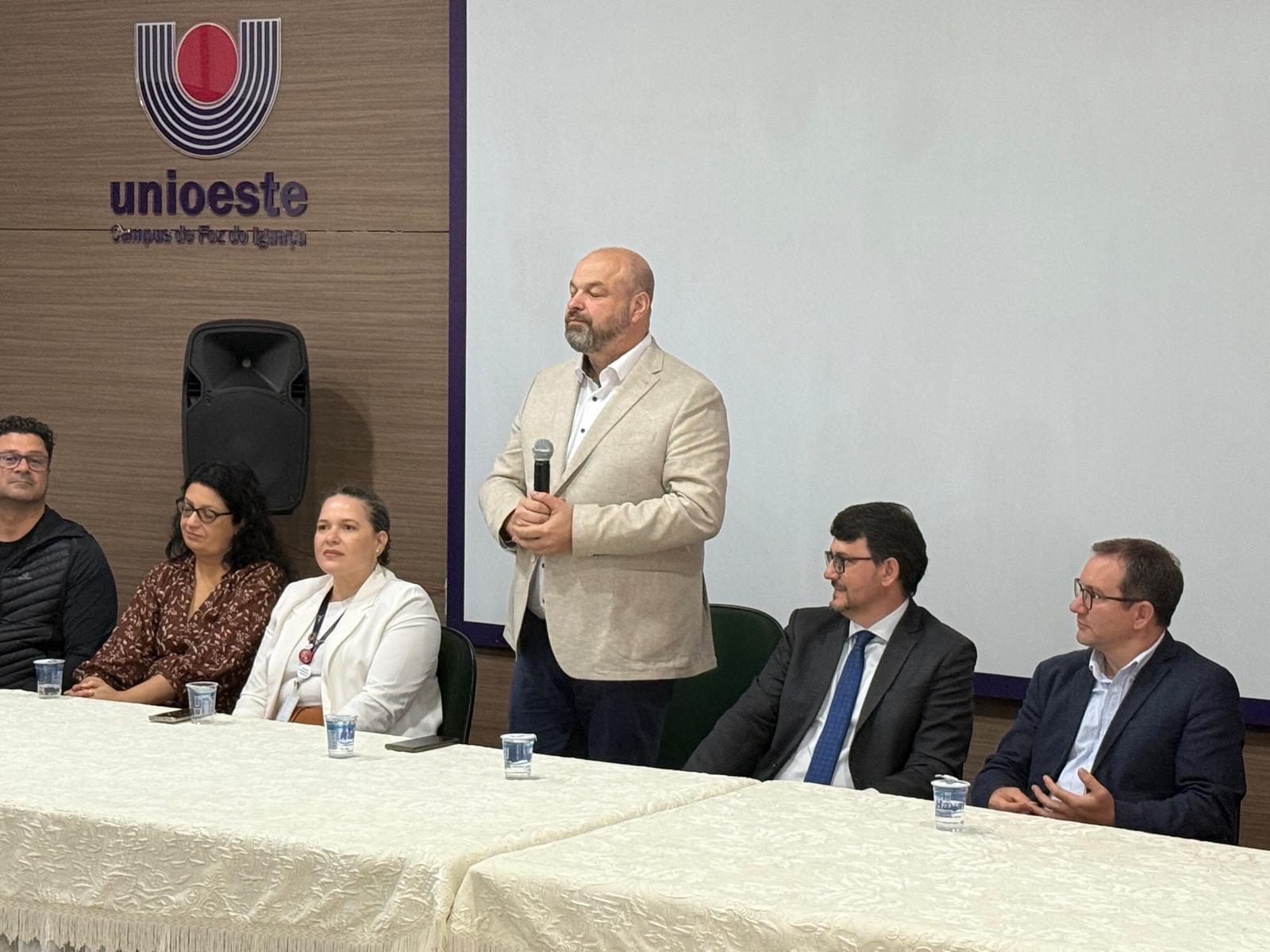
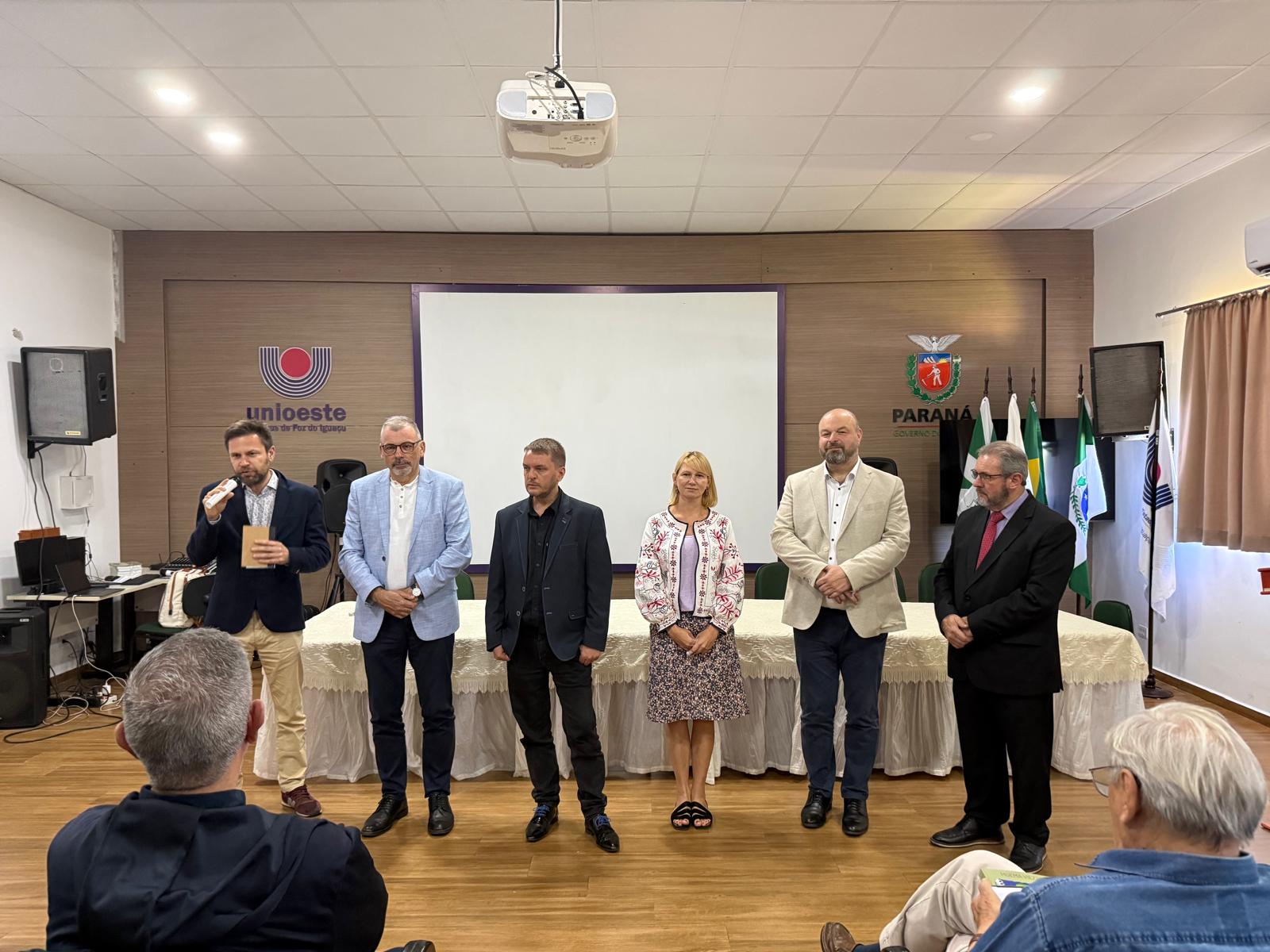
On December 10-11, meetings continued at UNIOESTE – Western Paraná State University, where the project “Três Fronteiras – Bioeconomy, Health and Sustainable Transitions” was summarised as an Excellence Center-type initiative. The event was attended by representatives of universities from Brazil, Argentina and Paraguay.
During these days, the SGGW delegation participated in panel sessions and thematic workshops covering, among others: institutional cooperation, environmental and territorial issues, bioeconomy and health, and waste management. The workshop meetings were divided into four thematic areas: 1. cooperation – where SGGW was represented by Prof. Michał Zasada; 2. territory and environmental issues, with the participation of Prof. Tomasz Okruszka; 3. bioeconomy and health, including phytotherapy, with the participation of Dr. Marta Mendel, professor at SGGW; 4. waste management.
The meetings were also attended by Ladislau Dowbor, a Brazilian economist of Polish origin and adviser to President Luiz Inácio Lula da Silva, whose presence highlighted the importance of the Polish contribution to the debate on the socio-economic development of the region.
The results of projects co-financed by Itaipu were also presented, confirming the importance of science for regional social development, including initiatives such as Itaipu Parquetec.
Argentina – academic cooperation and an offer for young people of Polish origin
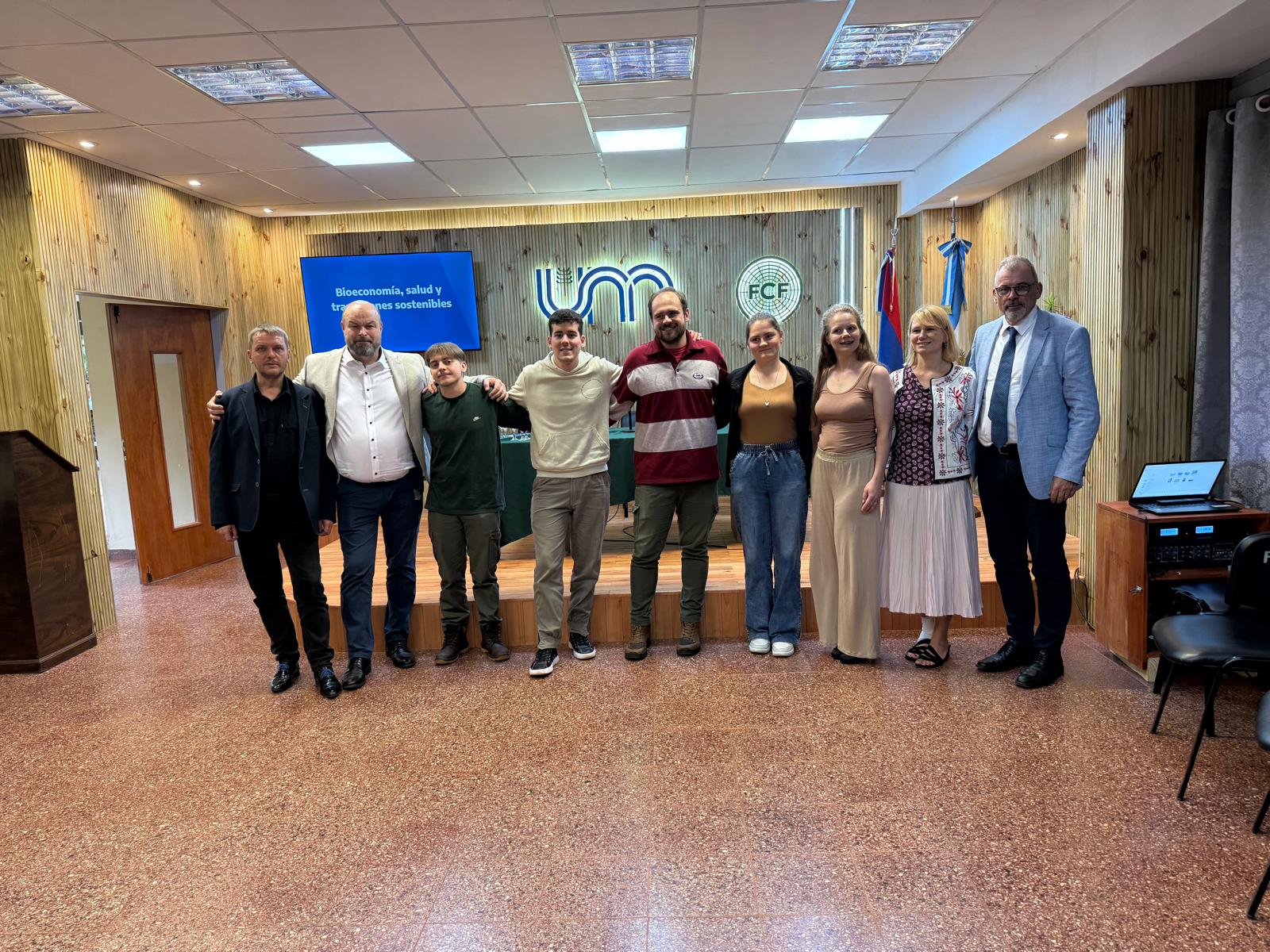
The final day of the visit took place in Eldorado (Misiones, Argentina) at the Universidad Nacional de Misiones (UM). The delegation met with the university authorities, including Alicia Violeta Bohren, Rector of UM; Sergio Edgardo Katogui, Vice-Rector; deans; and representatives of the academic community, such as the Faculty of Forestry Sciences.
Meetings with representatives of the Polish community in the province of Misiones were of particular importance, led by the Honorary Consul of the Republic of Poland Miguel Antonio Skowron, as well as representatives of Polish organisations from Paraguay, including Tadeo Nita from the Association of Poles in Itapúa. The SGGW delegation met with students of Polish origin, presenting the educational offer of SGGW and the Polish higher education system, including initiatives targeted at young people of Polish descent (such as the Polonia Camp and NAWA programmes).
Outcomes of the visit and future plans
The participation of the SGGW authorities in the Post-COP30 Event “Três Fronteiras” resulted in:
- the development of a model of cooperation between institutions of the Três Fronteiras region and SGGW;
- the identification of priority research areas: water management, forestry, agroecology, bioeconomy, and the production and use of herbs;
- the initiation of cooperation involving national parks in Brazil and Poland;
- the definition of forms of educational cooperation and academic mobility, with particular emphasis on young people of Polish origin;
- the inclusion of Latin American partners in European academic networks in which SGGW actively participates (ELLS, EBU).