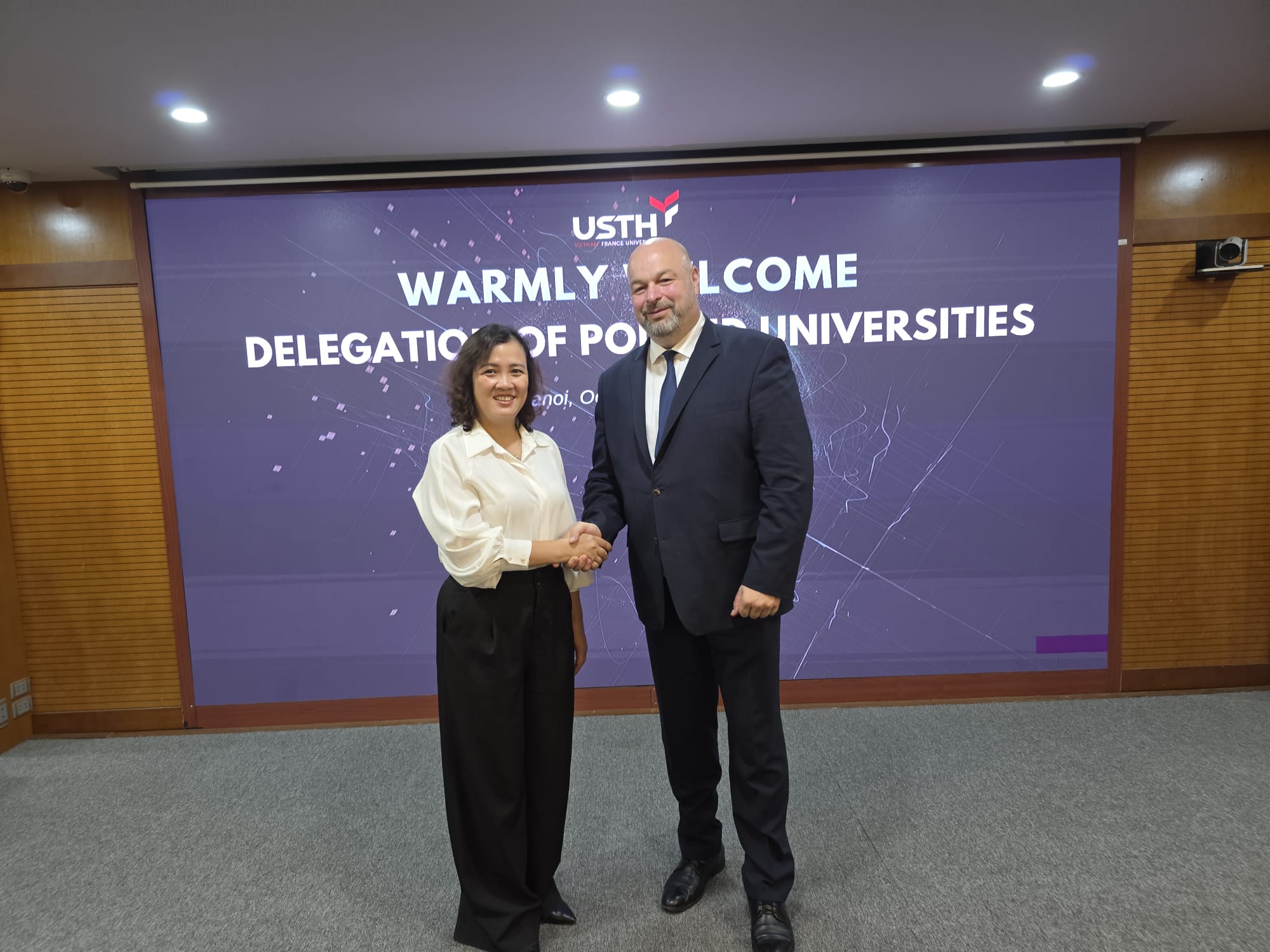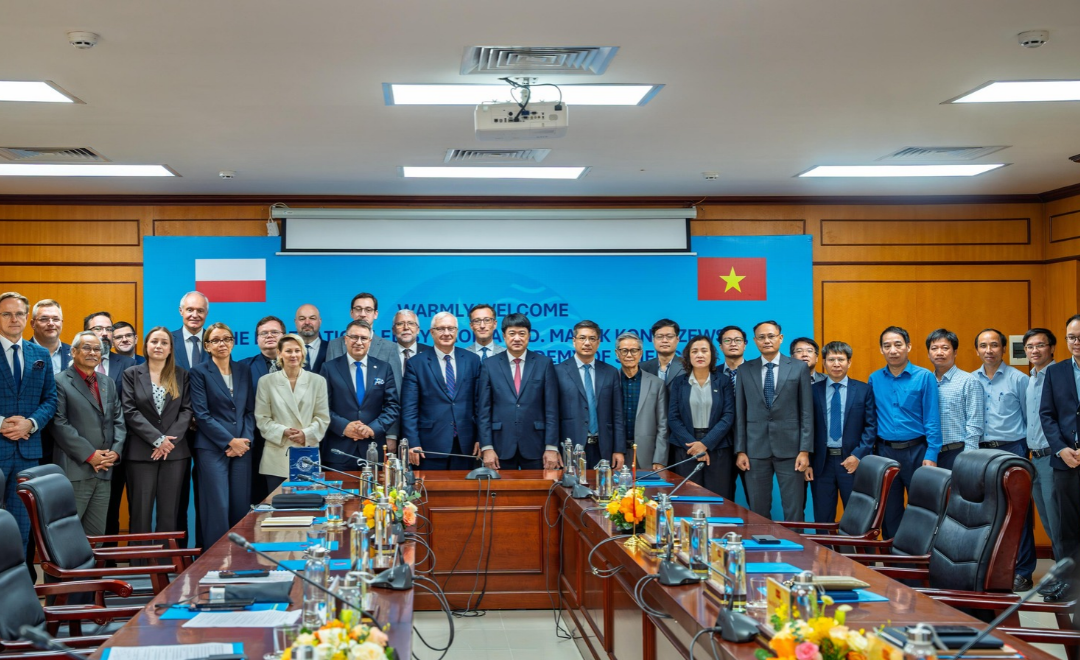
Academic cooperation, student and researcher exchanges, and the development of joint research projects – these are the primary areas of the Polish-Vietnamese agreement concluded on October 26, 2026, in Hanoi. The Polish government delegation, led by Prime Minister Donald Tusk, included phd. Marcin Kulasek, Minister of Science and Higher Education; prof. Bogumiła Kaniewska, President of the Conference of Rectors of Academic Schools in Poland (CRASP) and prof. Michał Zasada, Rector of the Warsaw University of Life Sciences (SGGW) and Vice President of CRASP.
Prime Minister Donald Tusk in Vietnam: Science as Part of a New Partnership
Prime Minister Donald Tusk paid an official visit to Vietnam aimed at enhancing political and economic relations and creating new opportunities for bilateral cooperation. The official delegation included phd. Marcin Kulasek, Minister of Science and Higher Education. The Polish academic community was represented by prof. Bogumiła Kaniewska, President of the Conference of Rectors of Academic Schools in Poland (CRASP) and Rector of Adam Mickiewicz University in Poznań, and prof. Michał Zasada, Rector of the Warsaw University of Life Sciences (SGGW) and Vice President of CRASP.
On October 26 in Hanoi, Poland and Vietnam elevated their bilateral relations to the level of a strategic partnership. Higher education, science, research, and innovation represent key pillars of this new phase of cooperation.
Representation of the Polish Academic Community
The presence of Polish university rectors in the government delegation underscores the critical role of academia in advancing international cooperation. Direct engagement between universities, research institutes, and scientists is expected to facilitate the translation of intergovernmental agreements into concrete initiatives benefiting students, doctoral candidates, and research personnel.
Key Scope of the Polish-Vietnamese Agreement
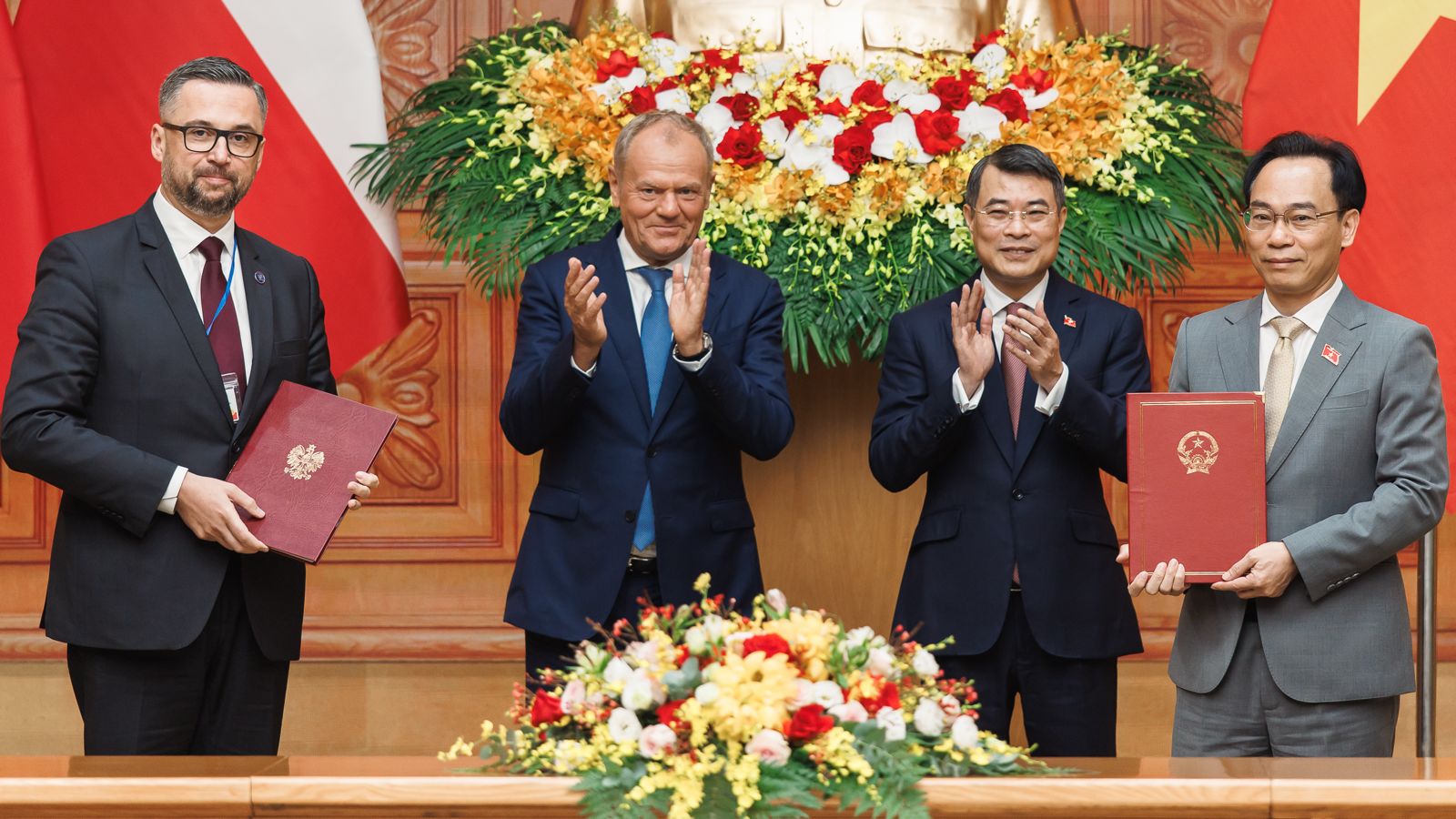
In Hanoi, the establishment of the strategic partnership was announced alongside the signing of an agreement between the Ministry of Science and Higher Education of the Republic of Poland and the Ministry of Education and Training of Vietnam on cooperation in higher education and scientific research. The agreement outlines the framework for collaboration across several areas:
Academic Exchange: Expanding educational and internship opportunities for citizens of both nations.
Institutional Cooperation: Fostering direct contacts between universities and research institutes, as well as promoting the exchange of expertise.
Joint Scientific Research: Creating conditions conducive to executing research projects and fostering collaboration among research teams.
Training and Workshops: Developing the competencies of students, doctoral candidates, academic staff, and researchers.
Education in Foreign Languages: Expanding opportunities to participate in educational programs offered in languages other than Polish.
A key component of the agreement includes specific opportunities for academic mobility. Poland may host up to 50 Vietnamese citizens annually for degree programs or research internships, including up to 10 participants in programs conducted in languages other than Polish. In turn, Vietnam foresees providing up to 50 slots annually for Polish citizens.
From Student Mobility to Joint Research Projects
These new arrangements promise significant benefits for Polish higher education in both teaching and research:
Increased Academic Mobility: Students, doctoral candidates, and researchers will gain additional opportunities to acquire international experience. Polish universities will be able to broaden cooperation with Vietnamese partners and host students and researchers from Vietnam.
Development of Joint Research: Direct connections between scientific teams will streamline the preparation of research proposals, knowledge transfer, and the search for international partners.
Strengthening the Standing of Polish Universities: Cultivating ties with academic centers in Asia will expand international partnership networks and enhance the participation of Polish researchers in global initiatives.
New Opportunities for Early-Career Researchers: Internships, academic exchanges, and collaborative international team projects will support the development of research, linguistic, and intercultural competencies.
Realizing these potential benefits will depend on the initiative of universities and research institutes, as well as the extent to which the framework of the agreement is utilized to launch targeted programs and initiatives.
Potential Collaboration Prospects for SGGW
For the Warsaw University of Life Sciences (SGGW), the agreement serves as a springboard for establishing contacts with Vietnamese universities and research institutes in fields closely aligned with SGGW’s academic profile.
Potential areas of collaboration include agriculture and food production, biotechnology, food sciences, environmental protection, and the sustainable management of natural resources. Knowledge exchange in these fields will contribute to solutions addressing food security, climate change, and sustainable development. In practice, cooperation could encompass joint research projects, study visits, laboratory and field internships, scientific seminars, and doctoral exchanges. These initiatives represent prospective directions for future action, the realization of which will depend on steps taken by the university and its partners.
The participation of prof. Michał Zasada in the government delegation – in his dual capacity as Rector of SGGW and delegate of CRASP – highlights the importance of academic representation in discussions on international scientific cooperation. It also offers a key opportunity to explore new avenues for developing relations between Polish and Vietnamese academic institutions.
Science and Education in Poland–Vietnam Strategic Relations
The establishment of the strategic partnership sets a long-term framework for the evolution of relations between Poland and Vietnam. The Joint Action Plan for 2026–2030 is designed to support the implementation of agreed cooperative priorities across various sectors, including science, education, emerging technologies, and innovation. For Polish higher education institutions, this provides an opportunity to build contacts with Vietnamese partners and undertake initiatives that yield lasting benefits for students, doctoral candidates, and researchers. The involvement of prof. Bogumiła Kaniewska and prof. Michał Zasada in Prime Minister Donald Tusk’s delegation emphasizes the integral position of SGGW and the broader academic community in this process.